
About Sardinia’s Blue Zone, I have read everything and the opposite of everything. Some say it doesn’t even exist, some want to share its secrets through cooking classes and bottles of red wine (Cannonau, please), some add some towns here and there for a touch of originality.
I get it, everyone wants to live to 100 years, so the topic of longevity has naturally become very popular, really fast, that everybody is a bit of an expert. And in the age of fast living, quick bits of information here and there, AI-generated social media content and images, and fast scrolling, going from the secrets of longevity to selling yacht tours only takes an Instagram reel.
But in reality, it doesn’t really work this way. And longevity (in Sardinia and elsewhere) is one of those subjects that can’t really be dismissed with a lunch, a glass of wine, and a cruise along Sardinia’s coastline.
Researchers and scholars have been studying the world’s Blue Zones for years and as far as I gathered, they haven’t grasped the secret yet.
But what is it that makes an area a “Blue Zone”?
Journalist Dan Buettner, working with National Geographic, explored the five Blue Zones and, in his book “The Blue Zones: Lessons for Living Longer from the People Who’ve Lived the Longest“, drew a list of what could be the common practices, behaviours and features that potentially led them to be the places where most centenarians live.
Buettner identified nine of these, and this can easily be the first hint that there is not a single factor that made an area a Blue Zone but the combination of many.
There has been so much chatter about the longevity miracle in these areas of the world, located in Sardinia, Okinawa, Ikaria, Nicoya, and Loma Linda.
Some people are ready to swear it’s the diet, some are looking for one single secret elixir of long life, some say it’s the physical activity, while some don’t believe in any of this at all and suspect it’s a hoax.
Well, as a Sardinian born and bred, and recently back living here, I can say that I have personally met not only several centenarians but also many healthy and active 90+ year-old people. Adding to that, all the fantastic elderly people I have had the chance to meet and talk to and who have shared their precious memories with me are not even from the “official” Blue Zone of Sardinia.
Debunking some myths about the Blue Zone of Sardinia
Sometimes I read about people who don’t “believe” in the Blue Zone or others who believe too much in it, thinking it’s some kind of magic and that there is some sort of secret spell to reach 100 years of age. Neither is true, and probably the truth lies in a lifestyle that was common to most but that we are slowly losing.
I can’t really speak for the longest-lived areas of Japan, California or Greece as I’ve never even been there, but I’m pretty familiar with Sardinia. The whole island, not just the so-called Blue Zone. In fact, I’m from a different area and also where I live, I know plenty of elderly people in good health and active.
I absolutely love my neighbor: she’s 95/96, she lives on her own, fully independent, she goes grocery shopping every day, she appreciates a good morning chat, and among her favorite things to do is to remember the old times in the village.
I’m not a doctor, I’m not a longevity expert and I haven’t carried out any scientific test/analysis on the matter, so the only thing I can do is to observe, luckily, first-hand.
The common features of the world’s areas where a high number of centenarians live are also the most obvious.
No over-eating doesn’t mean “vegan diet”
Those who are 100 years old now were born in the aftermath of WWI and went through WWII. Especially in Sardinia, in the villages, life wasn’t super easy and often poverty reigned, so meals were plentiful. Not because they had decided so but because they had no choice.
After the harshest times, a more comfortable era began but what I hear from our elderly is that they don’t eat much, especially for dinner, when they have a very light meal, if any.
On top of this, they consumed little to no meat, but this was especially true in the oldest times, when they only had it a few times a year. This changed when the last war ended, but still, I don’t think meat was regularly on the table.
However, their diet isn’t vegan strictly speaking. In Sardinia, for example, they are from mountainous areas and their meat intake is more frequent than their fish intake. They also consume dairy and eggs.

A slow-paced life
In general, they lead a slow-paced life: short distances, no need to drive for hours, and taking their time with their chores without rushing.
This is simply their normal lifestyle, and the fact that it has so many common traits with the mindfulness courses so popular nowadays makes me think that maybe this is the kind of lifestyle that more people are craving.
Honestly, in the hectic modern way of life, what is defined as slow-paced is probably “normal-paced”, with reduced noise from digital devices and social media and taking a rest when needed.
What the elderly in Sardinia have taught me
Apart from the factors internationally recognized to define a Blue Zone, here are some of the precious things that observing and talking to the longest-lived people I met has taught me. These are my personal opinions as an observer of this phenomenon.
This means that my own opinions only apply to Sardinia, as it’s where I come from and where I live.
They don’t live in big cities
As someone who has lived almost thirty years in Rome and has recently moved back to her own little village in Sardinia, this is one of the first things I noticed. The longest-lived people I know live in small towns and villages.
This means that they don’t deal with traffic, nervousness, strict schedules, and long distances on a daily basis.
They are never too far from nature
The countryside surrounds small villages in Sardinia, so nature is always close at hand. Whether they are shepherds, farmers, their wives, or nature lovers, spending time in nature is never difficult and doesn’t require traveling long distances.
On top of this, most people in small villages in Sardinia either have a garden part of their house where they plant their own vegetables to eat, or a piece of land just outside town where they can take care of fruit trees, olive orchards, or vineyards.
This way, they make their own food and spend time in nature at the same time.
They eat natural food
Junk food, what’s that? Highly processed foods are not part of the daily diet of our elderly. As I mentioned in the point above, often the longest-lived people make their own fruits and veggies, at least part of them, if not all.
This makes their foods naturally healthier as pesticide-free, and also leads them to have a more natural diet as they cook their meals from the raw ingredients instead of buying semi-prepared products.
They are not familiar with high stress levels
In general, living in a small town lowers stress levels compared to a big city. Being part of a small community where you know most of the members, living close to your family, having the opportunity to strike up a conversation from time to time, and leading an active social life are all part of the lifestyle of Sardinian villages.
Without minimizing their life issues and obstacles, I guess they have always dealt with them in a sort of philosophical way. They have all had their pains, their losses, and their griefs, especially undergoing two World Wars, but they tackled them with strength and likely a strong faith and closeness to their community.
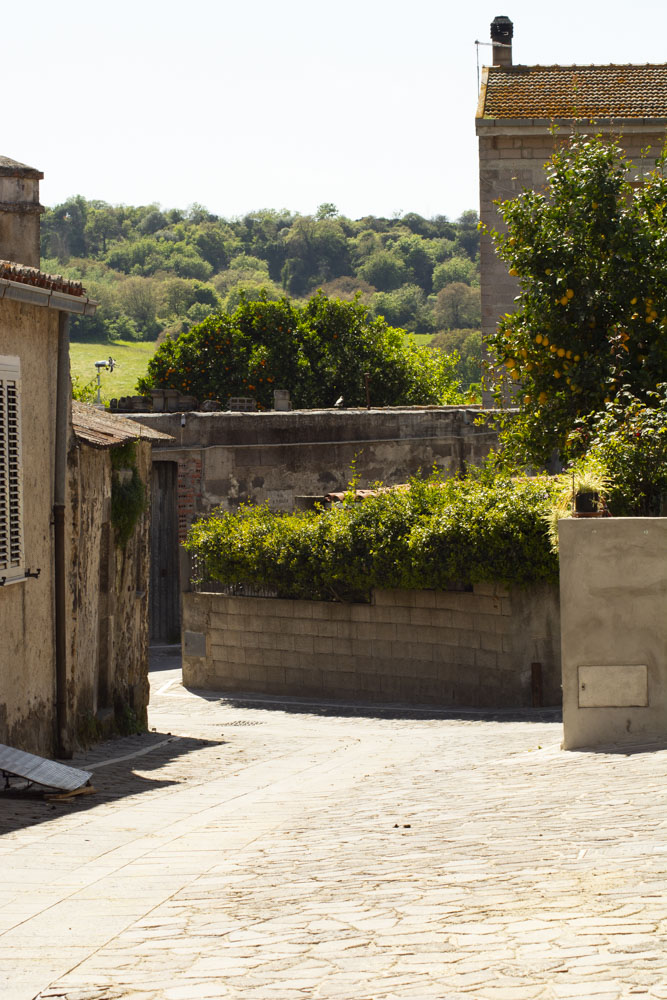
In many towns in Sardinia, right outside traditional houses are still small stone benches attached to the walls. Back in the day, and sometimes still now, these were used by the residents to sit and chat at the end of the working day to wind down and go to sleep more relaxed. More often used in summer to enjoy the evening fresh air, I remember these little benches were very popular when I was a child.
When it makes sense to visit Sardinia’s Blue Zone
The right approach to Sardinia’s Blue Zone is one where you are keen to observe and absorb life lessons, even those that at first sight seem pretty obvious.
The tour I have designed around Sardinia’s longest-lived areas is not going to reveal some secret miracle and elixir of long life. We will take you to these areas and you will have the chance to see for yourself how locals live.
Nothing magical, everything easy to reproduce at home. Some of you will be inspired to finally take that leap you have been thinking about; some others will be able to create a healthier environment back at home by bringing about easy tweaks to their lifestyle.
This tour is not simply a sightseeing excursion but a potentially life-changing experience. Are you ready?
P.S.: Not up for a group tour? Hire me for a custom itinerary where I craft a perfect travel plan tailored to your interests and travel style!
